
The Storage Report: What We're Really Seeing Today in the Marketplace (3Q26)
Summary of real storage activity from boots-on-the-ground brokers
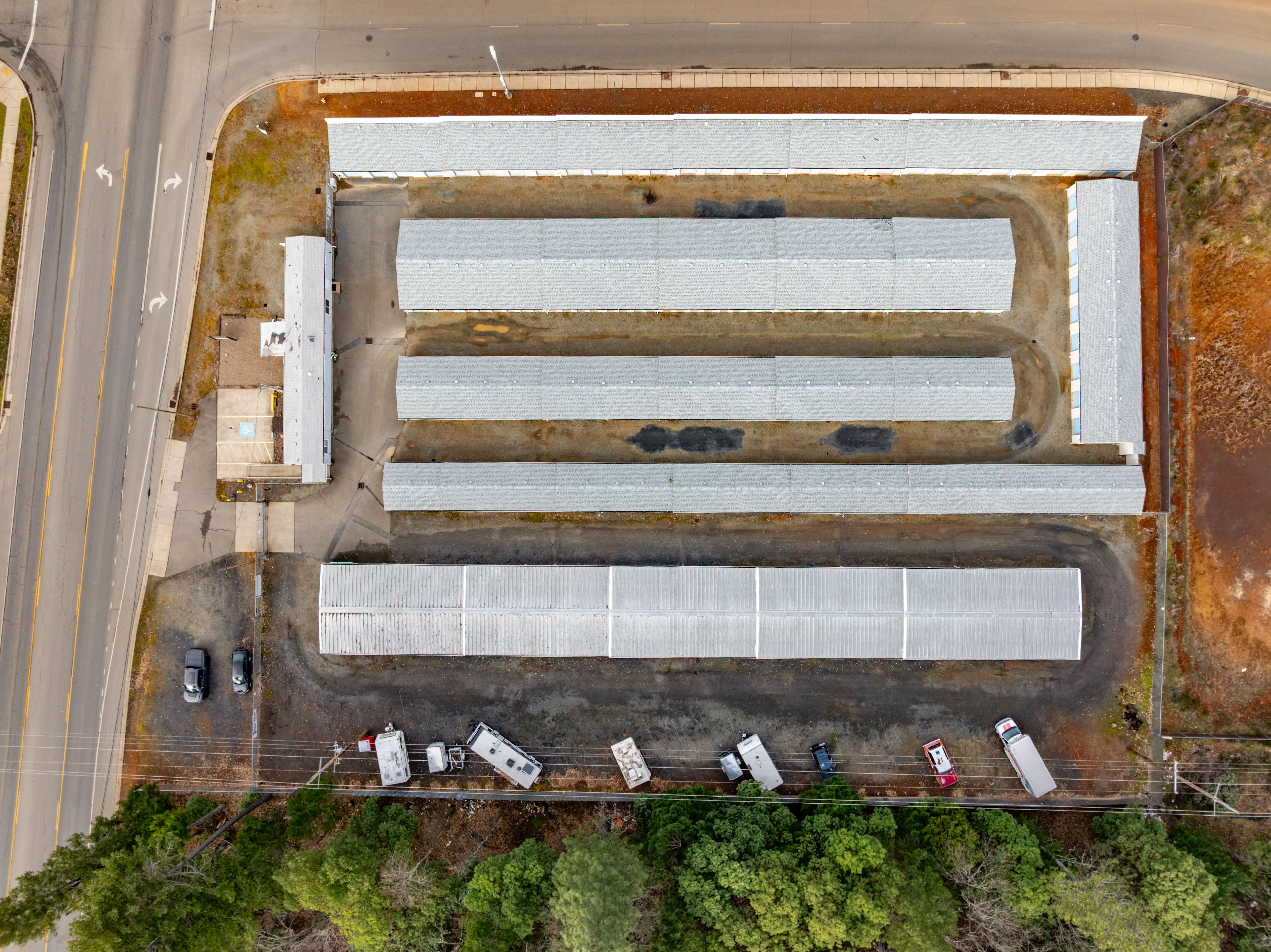
For decades, self-storage was one of CRE's simplest and most resilient business models. Facilities were typically single-story, drive-up properties built efficiently with low operating costs, modest capital requirements, and stable cash flow. Success depended on disciplined site selection, lean operations, and delivering a straightforward, affordable service.
Over the past decade, however, the industry has evolved dramatically. As institutional capital entered the sector, new developments shifted toward multistory, climate-controlled facilities with elevators, modern architecture, and premium amenities. These projects commanded higher rents and attracted institutional buyers, making economic sense while occupancy and rents continued to climb.
The pandemic accelerated this trend. Record demand, rapid household mobility, and unprecedented rent growth encouraged developers to build even more high-end facilities. Many projects launched in 2021 and 2022 were underwritten assuming those exceptional market conditions would continue. They did not. As demand normalized, occupancy softened, street rates declined, and rent growth slowed. At the same time, operating expenses continued rising. Insurance, taxes, labor, HVAC systems, and R&M have become significantly more expensive. Unlike revenues, these costs don't adjust downward when market conditions weaken.
The industry's greatest strength was never the buildings themselves, but the business model. Traditional facilities had low expense ratios, resilient margins, limited reinvestment, and customer experiences built on value and simplicity.
In large urban markets where land is scarce and rents justify the investment, multistory facilities can remain viable. However, many markets may benefit from returning to the fundamentals that made self-storage so successful: simpler properties, disciplined expenses, and business plans that remain profitable without relying on continual rent increases.
For investors, the key question is no longer which facilities are newest, but which have cost structures capable of weathering a softer revenue environment. In today's market, assets with lean expenses, loyal customer bases, and durable economics may prove to be the best long-term performers. Simplicity, once the industry's hallmark, may again become its strongest competitive advantage.
Disclaimer: This content is provided for informational purposes only and only reflects the personal opinions of the author. It is not intended as professional or investment advice, or a substitute for consulting qualified experts in tax or law. Always consult your CPA, attorney, and all other qualified professionals prior to making investment decisions. While we strive to present accurate and up-to-date data, we make no warranties or representations regarding its completeness, reliability, or suitability for your specific situation. Always seek the guidance of licensed professionals before making any decisions related to commercial real estate investments or transactions.